
Building a Log House: Cost, Steps, and a Modern Approach
Wooden construction has a long tradition in Finland, and many people are familiar with the steps involved in building a traditional solid-log or...

From our villa and cottage collection, you will find modern and traditional favorites. We also design models individually.

Explore our individual house models. The PolarHouse house package offers the freedom to customize plans and materials according to your wishes.

12 min read
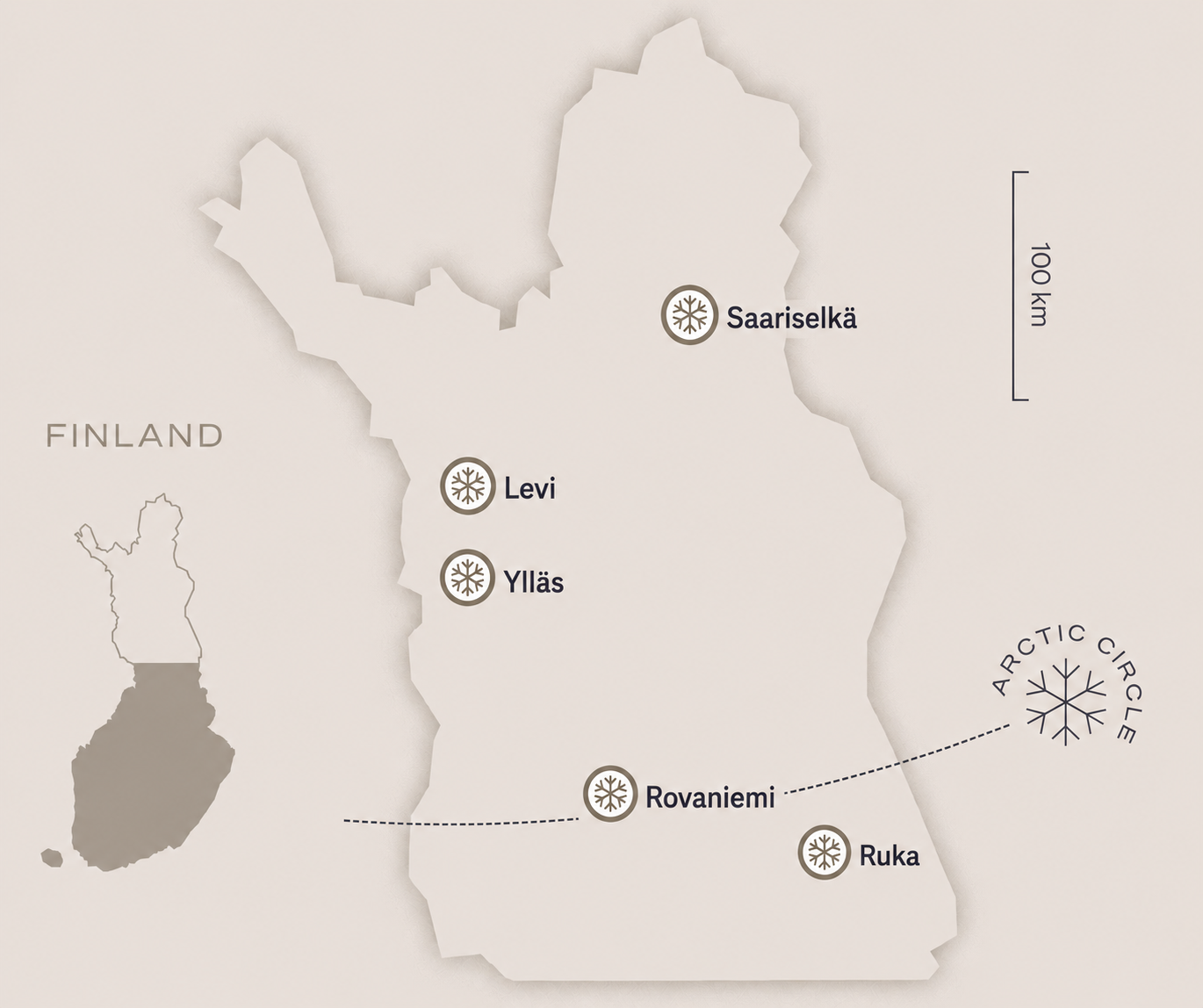
Buying a plot of land in Lapland is often the most important decision in the entire building project. Options include, for example, Rovaniemi, Ylläs, Levi, Saariselkä and many others. Furthermore, each location has its own distinct characteristics.
The house design, floor plan and materials can be planned and modified, but the location of the plot cannot be changed. The plot determines what sort of house can be built there, how much the foundation work and connections will cost, how easy it is to access in winter, and how attractive it is to potential tenants.
The best plot is not automatically the cheapest, the largest or the one with the most beautiful view. The best plot is the one that suits how you intend to use the house over the next 10–20 years. That is why it is important for the person initiating the project to understand their own needs and the project’s objectives.
It is one thing to build your own peaceful holiday home, another to build a second home to be lived in all year round, and yet another to build a rental property that generates the highest possible return. That is why the choice of plot should be based on the intended use, not on the name of the area or a single property advert.
We have been building houses on a wide variety of plots across Finland, particularly in Lapland, for over 25 years. Our clients range from Finnish individuals building their own holiday homes to international investors. We understand how difficult it can be to choose a plot, which is why we have written this article – we hope it will make your decision easier.
This article covers:
how personal use and investment purposes affect the choice of plot
how Levi, Rovaniemi, Ylläs, Ruka and Saariselkä differ from one another
•what you need to check regarding the town plan, building rights, soil conditions and access
what mistakes can significantly increase the overall cost of the project
how the plot and the log house should be designed as a single, integrated whole
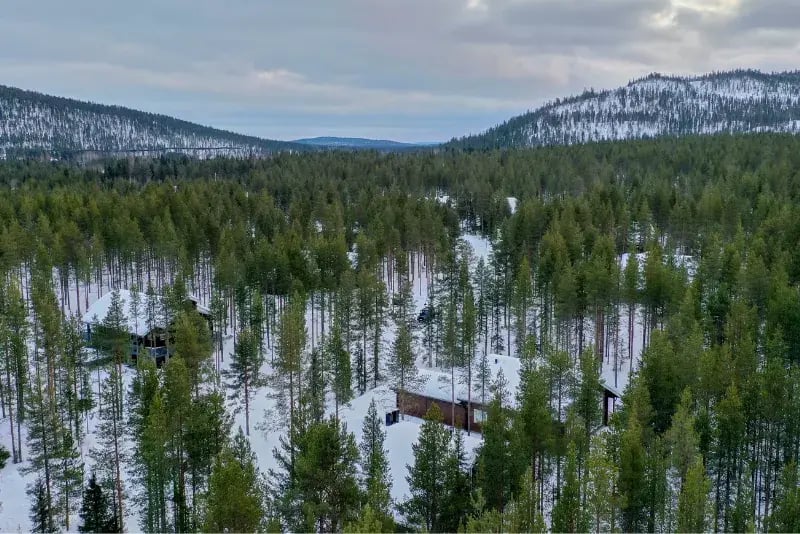
A plot determines much more than just an address. It has a direct impact on the building’s design, costs, liveability and resale value. Anyone looking for a plot should understand, for example:
building rights, i.e. how much can be built on the plot
the soil conditions, i.e. whether the plot requires piling, excavation or major earthworks
utilities: where the electricity, water and sewage systems come from and how far away they are
accessibility: whether the access road is usable all year round
what type of house suits the terrain
compass directions: how the house should be positioned on the plot
extreme weather conditions – i.e. whether to take into account how snow, meltwater and wind affect usability
access to amenities – i.e. how close the ski lifts, ski trails, shops and airport are
attractiveness – i.e. how easily the property can be let
Many people make the mistake of viewing the plot and the house as two separate purchases. First, they buy the plot because they like the scenery, and only afterwards do they work out what sort of house can be built there. The best result is often achieved when a vision of the house to be built on the plot already exists at the plot purchase stage. Before purchasing a plot, you should at the very least ensure that your chosen house design complies with building regulations, planning regulations, the terrain and access arrangements without incurring unreasonable additional costs.
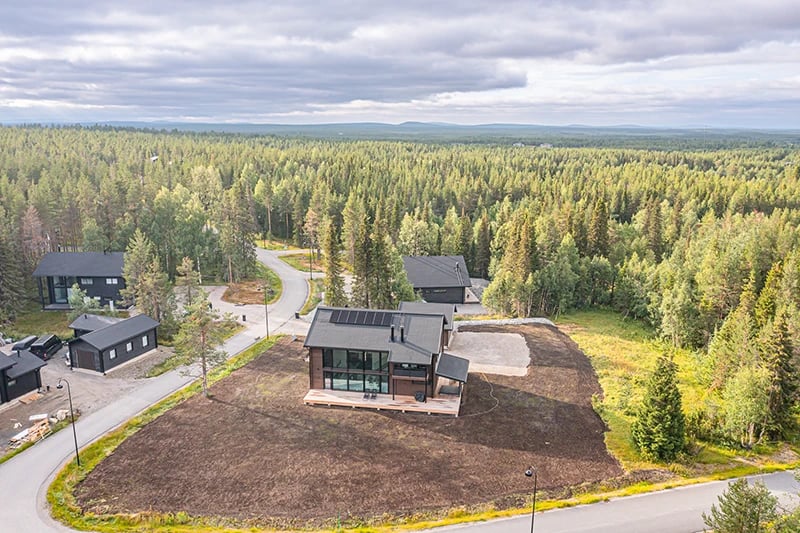
Before comparing different areas, it’s worth answering one question: what is the intended use of this property?
If you’re building primarily for yourself and your family, the decision is often driven by peace and quiet, views, nature and your own way of spending time. Modern holiday homes are increasingly becoming ‘second homes’, where people live year-round and spend longer periods at a time. In that case, the following may be important to you:
proximity to a lake or fell
direct access to ski trails, footpaths or sledge runs
the chance to spend time away from the hustle and bustle of a tourist resort
a good aspect and plenty of natural light
sufficient privacy
easy year-round access
reasonable proximity to amenities
It’s also worth thinking about the future. Will the place still work when the children grow up or when your own mobility changes? Can you get to the plot easily in winter? Is there a supermarket, healthcare service or other essential everyday service within a reasonable distance?
If the aim is to generate rental income, different factors come to the fore when selecting a plot. Customers often compare the location in relation to lifts, restaurants, the airport, leisure activities and ease of getting around. However, a good location does not necessarily mean that the property should be right in the busiest part of the town centre. A road, nightlife, car park or other source of noise that is too close by can detract from the sense of tranquillity associated with a holiday in Lapland. In many cases, the best combination is:
a short distance to amenities
easy access without complicated road sections
a peaceful plot
a good view or a rich experience of nature
sufficient parking
prompt maintenance, cleaning and upkeep services
Rental income should not be assessed solely on the basis of an optimistic occupancy rate. Actual profitability is determined by price, occupancy rate, seasonal fluctuations, cleaning, agency commissions, energy costs, maintenance, financing and personal use. Many PolarHouse customers who own holiday homes for rental purposes rely on Hilla Villas’ Total Host service.
Many buyers want both: a high-quality holiday home of their own and rental income when they are not using the property themselves. Before purchasing the plot, consider the following:
the target market – in other words, the type of customer most likely to rent the property
management – who will handle the keys, cleaning and communication with guests
maintenance reliability – who will help if the heating, locks or other technical systems require servicing
versatility – is the property’s layout suitable for both your own family’s use and for paying guests
whether the property as a whole is attractive to tenants even outside the peak season
There is no single ‘best’ area that suits everyone. Each location has its own character, demand patterns and price levels. Furthermore, there can be significant differences between plots even within the same area.
|
Area |
Nearest airport |
Distance |
Estimated journey time |
|
Rovaniemi |
Rovaniemi Airport |
approx. 8 km |
approx. 15 min |
|
Levi |
Kittilä Airport |
approx. 15 km |
approx. 15 min |
|
Ylläsjärvi |
Kittilä Airport |
approx. 35 km |
approx. 30 min |
|
Äkäslompolo |
Kittilä Airport |
approx. 50 km |
approx. 45–60 min |
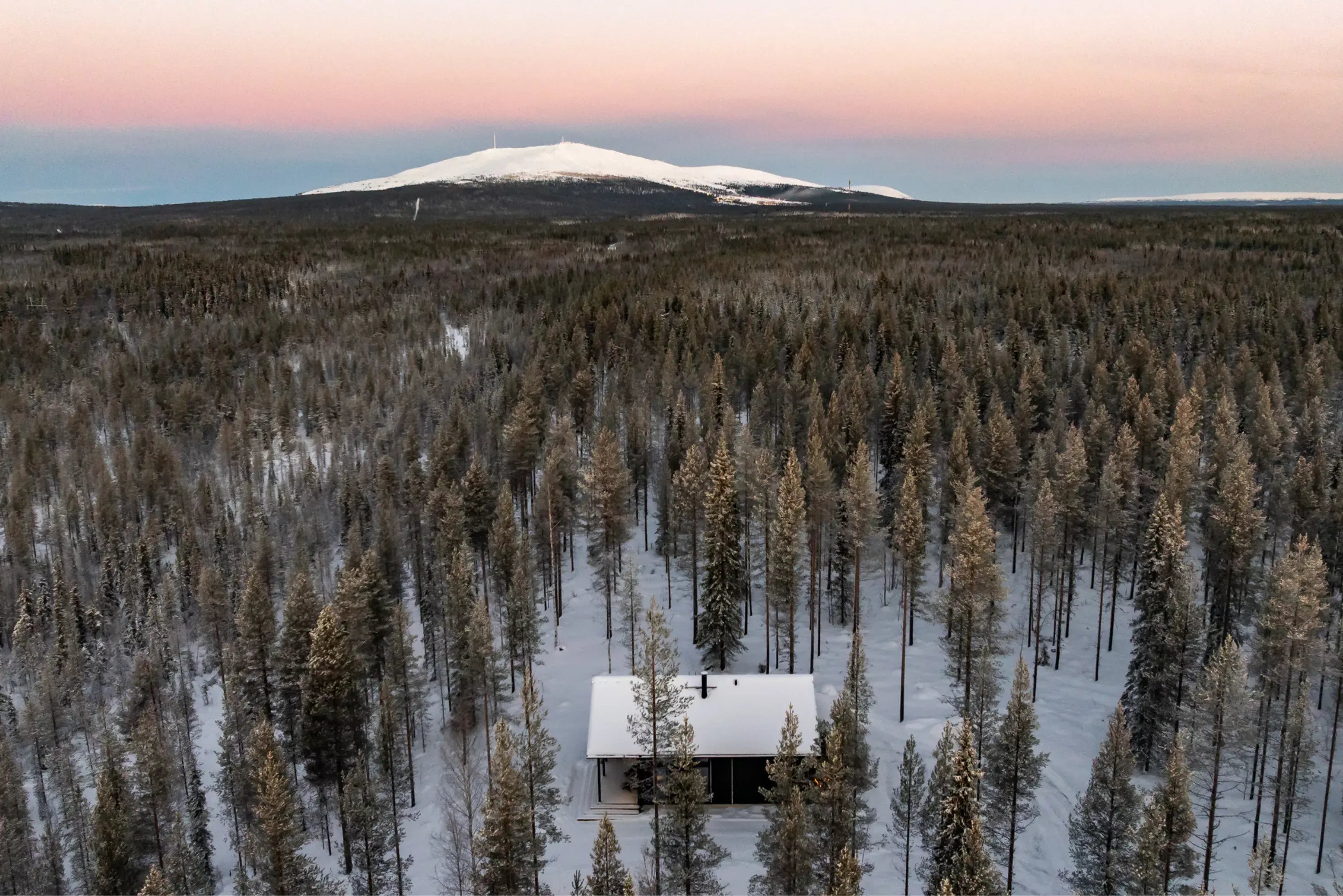
Levi is one of Finland’s best-known year-round tourist resorts. Its strengths include comprehensive services, a wide range of accommodation options, restaurants, activities and good accessibility via Kittilä Airport. For investors, Levi offers a ready-made tourism ecosystem. There are plenty of rental, cleaning, maintenance and activity service companies operating in the area, which makes ownership easier, particularly if you live elsewhere.
Levi’s strengths:
a well-known and established tourist destination and world-class ski resort
good flight connections
comprehensive services, with a wide and varied selection of shops and restaurants
a strong winter season and guaranteed snow for over 6 months
a wealth of ready-to-use maintenance services
also attractive to international customers
Points to note:
prices for the best plots can be high
there is a relatively high level of competition in the rental market
Levi is particularly well-suited to buyers who value the convenience of services, a well-established market and strong tourist demand.
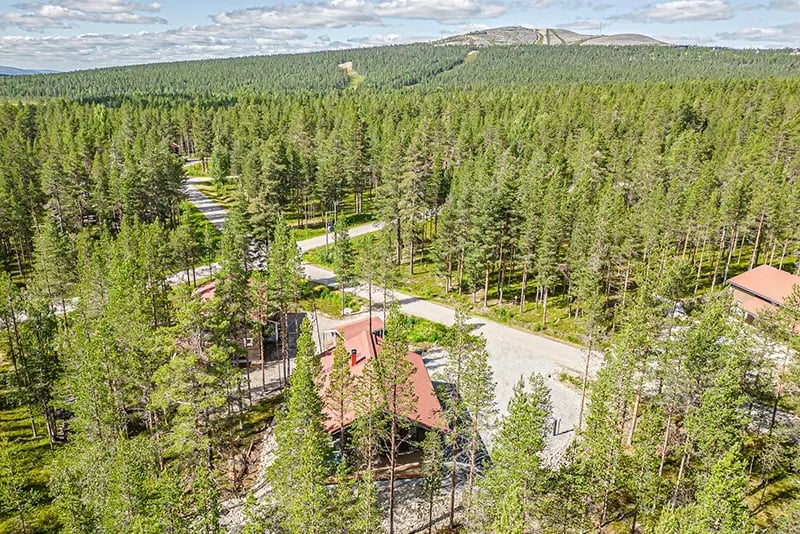
Rovaniemi is the heart of Lapland’s tourism industry and much more than just a ski resort. It combines Lapland’s tourism attractions with the amenities of a proper city. The capital of Lapland boasts an airport, a railway station, shops, restaurants, healthcare services, educational facilities and year-round local demand. Demand for rentals is driven by, amongst other things, Christmas tourism, Santa Claus Village, the Northern Lights, events, conference tourism, summer activities and the city’s year-round attractions.
Rovaniemi’s strengths:
good accessibility by air and rail
year-round city services
an internationally renowned tourist destination
Points to note:
the market is highly location-specific
a property near the city centre attracts a different clientele to a more remote woodland plot. The wider Rovaniemi area offers a wide range of options for building sites.
PolarHouse has delivered numerous properties in the Rovaniemi area. This makes the area a natural choice for buyers seeking a partner with in-depth knowledge of local conditions.
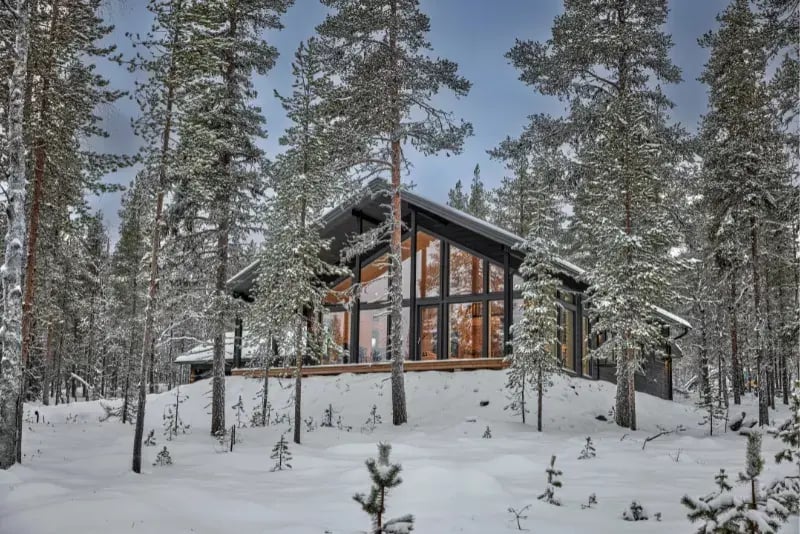
Ylläs is known for its seven fells, extensive networks of cross-country ski trails and hiking routes, and its proximity to the Pallas–Yllästunturi National Park. The area is divided into two main villages, Äkäslompolo and Ylläsjärvi, which differ in atmosphere and accessibility. Ylläs is well suited to buyers who appreciate the tranquillity of nature, skiing, hiking, mounain biking and year-round outdoor activities.
Ylläs’s strengths:
a strong natural environment
an excellent network of cross-country ski trails and hiking routes
proximity to a national park
a more peaceful atmosphere than in a busy tourist resort
attractive for both personal use and letting
Points to note:
In the Ylläs area, plots are available in both Äkäslompolo and Ylläsjärvi, on either side of Yllästunturi
Services and ski lifts can be found on both sides of the fell
A car is almost essential for getting around the area
Seasonal transport and public transport links vary
Ylläs is a strong option for buyers who want a well-known tourist destination but not necessarily the liveliest resort atmosphere.
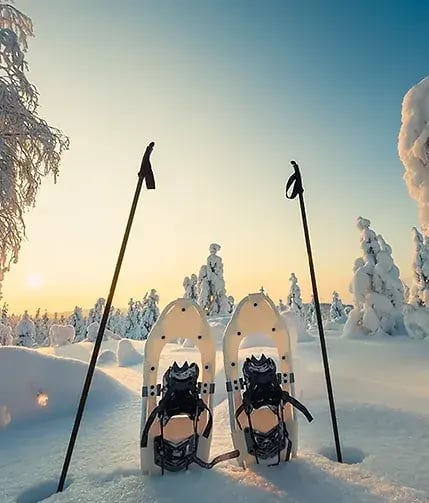
Ruka is situated in Kuusamo in Eastern Finland; although it is not administratively part of Lapland, it is one of the most popular mountain resorts and a bustling area for holiday home development. Many buyers compare Ruka with Levi, Ylläs and Saariselkä. Ruka’s strengths include a long winter season, strong domestic demand, a compact central layout and Kuusamo Airport.
Ruka’s strengths:
strong focus on the summer season
a long and stable winter season
a strong domestic customer base
a well-functioning tourist resort
accessibility: the airport is reasonably close by, and it is a short journey to Oulu
Points to note:
The Ruka fell is very rugged: it is worth familiarising yourself with the elevation differences, road links and accessibility
Prices and competition may be high near the resort
It is worth checking whether the location is practical even without a car
Ruka is ideal for buyers who appreciate a long winter season and a well-organised tourist resort.
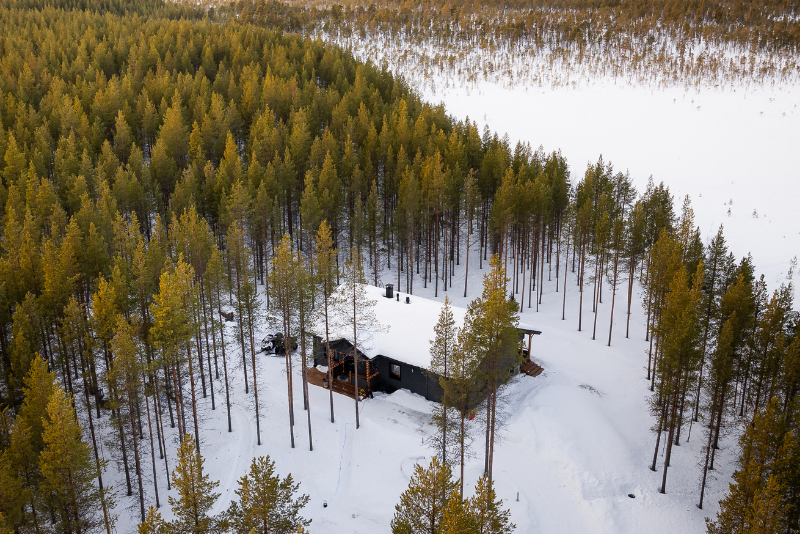
Saariselkä combines a compact resort with fell landscapes and the proximity of Urho Kekkonen National Park. The area has a strong Arctic identity and is in high demand internationally.
Saariselkä’s strengths:
a clear and compact tourist centre
a strong northern and wilderness atmosphere
the national park is right on the doorstep
well-known amongst international tourists
an attractive destination for premium travellers
Points to note:
long distances from southern Finland
servicing and maintenance must be well planned
air links and transport affect accessibility
winter maintenance of the plot is a particular concern for owners living far away
Saariselkä is ideal for buyers seeking a strong sense of Lapland identity, natural surroundings and a location of international appeal.
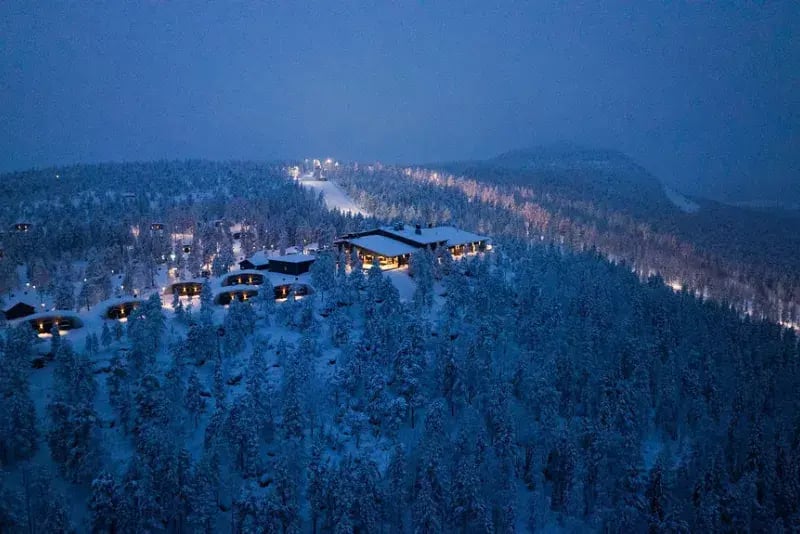
Don’t just compare the names of the locations. Compare how well each location suits your specific needs. Ask yourself at least the following:
how you’ll get there yourself
how potential tenants will get there – will a hire car always be needed? What will the cost of a hire car be for the tenant?
will a car be needed for the whole holiday?
what drives demand outside the Christmas and winter holiday periods?
are there any cleaning, maintenance and upkeep services available nearby
what developments are planned for the area over the next few years
do you want more peace and quiet or more amenities
how much are you prepared to pay for convenience
Zoning plan, building rights and intended use. Check with the local authority’s building control department to find out what you are permitted to build on the plot. Check at least the following: the amount of building rights, the permitted number of storeys, the number of buildings, the intended use, distances to boundaries and watercourses, and any regulations regarding façades, roof pitches or materials. A large plot does not automatically mean extensive building rights. The local plan and the local authority’s building regulations are decisive.
Ownership, easements and right of way. Request up-to-date property documents and check ownership, mortgages, easements and rights of use. It is particularly important to check: whether the plot has a legal right of way, who is responsible for road maintenance, whether there are any rights of way, utility easements or other easements on the plot, and whether these rights restrict building or use.
Road condition and winter maintenance. A road shown on a map does not guarantee that it is passable all year round. Find out: is the road cleared of snow in winter, who is responsible for snow clearance, how much does maintenance cost, can heavy vehicles access the site during the construction period, and is the road wide and strong enough to support the load.
Electricity, water, sewerage and telecoms connections. Check the connection points and costs before completing the sale. A cheap plot can turn out to be expensive if an electricity line has to be laid over a long distance or if water and sewerage solutions require special arrangements. In a rental property, good mobile coverage and fast internet are almost essential these days. Check that they actually work on site..
Soil and foundation costs. The surface of a plot does not reveal what lies beneath it. Peat, clay, bedrock, groundwater and steep slopes can have a significant impact on costs. It is advisable to carry out a soil survey before finalising the foundation plans. On a sloping plot, the house should be designed to suit the terrain rather than attempting to force a flat solution through costly earthworks.
Snow, meltwater and drainage. In Lapland, a plot must be functional in all seasons. Find out: where ploughed snow is deposited, how meltwater flows in spring, whether water can drain away from beside the buildings, whether courtyards or paths remain wet in spring, and whether snow falling from the roof could pose a hazard.
Compass directions, light, wind and views. Visit the plot at different times of day, if possible. Consider how the different seasons affect the light. A plot facing south or west can offer plenty of natural light, but at the same time, an open slope can be windy. Forest management, neighbouring developments and changes to the local plan may also alter the views in the future.
Actual distances to amenities. Measure the distance in practice, not just on a map. If the property is a rental, it’s worth testing the following: journey time from the airport, distance to the ski lift or ski slopes, distance to the supermarket, distance to restaurants, whether the route is accessible in winter, and whether the client can get around without their own car.
Future development in the area. Find out about current planning regulations and projects in the pipeline. An empty neighbouring plot or an unobstructed view may not necessarily remain that way. On the other hand, a new lift, road, restaurant or service may increase the area’s appeal. The most important thing is to know what might happen in the surrounding area.
Total cost, not just the price of the plot. Plots should be compared on the basis of total cost. Be sure to factor in at least the following: transfer tax, title registration and other registrations, planning and permits, soil investigation, earthworks, foundations, excavation or piling, service connections, road and yard works, snow clearance, landscaping and financing costs. A more expensive, ready-built plot with existing connections may, on the whole, be more cost-effective than a cheap but technically challenging plot.
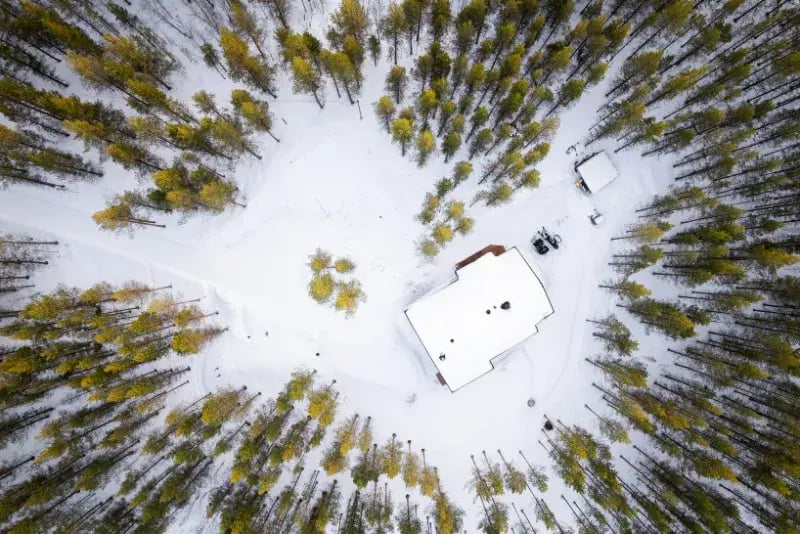
The landscape is important, but it is no substitute for good road access, planning permission or reasonable development costs.
Building rights are checked too late. The buyer may only realise after the sale that the desired house cannot be built on the plot as it stands.
Connection costs are not clarified. The cost of connecting to electricity, water, sewerage and roads can add tens of thousands of euros to the project’s price.
The plot is only assessed in the summer. Winter can reveal shortcomings that are not visible in the summer: difficult access, snow accumulation, shade, wind and snow-clearing problems.
Future planning is not checked. The view, tranquillity or accessibility may change significantly if building takes place in the surrounding area at a later date.
The house is chosen before the technical assessment of the plot. This can lead to costly alterations. The plot and the house should form a single design entity.
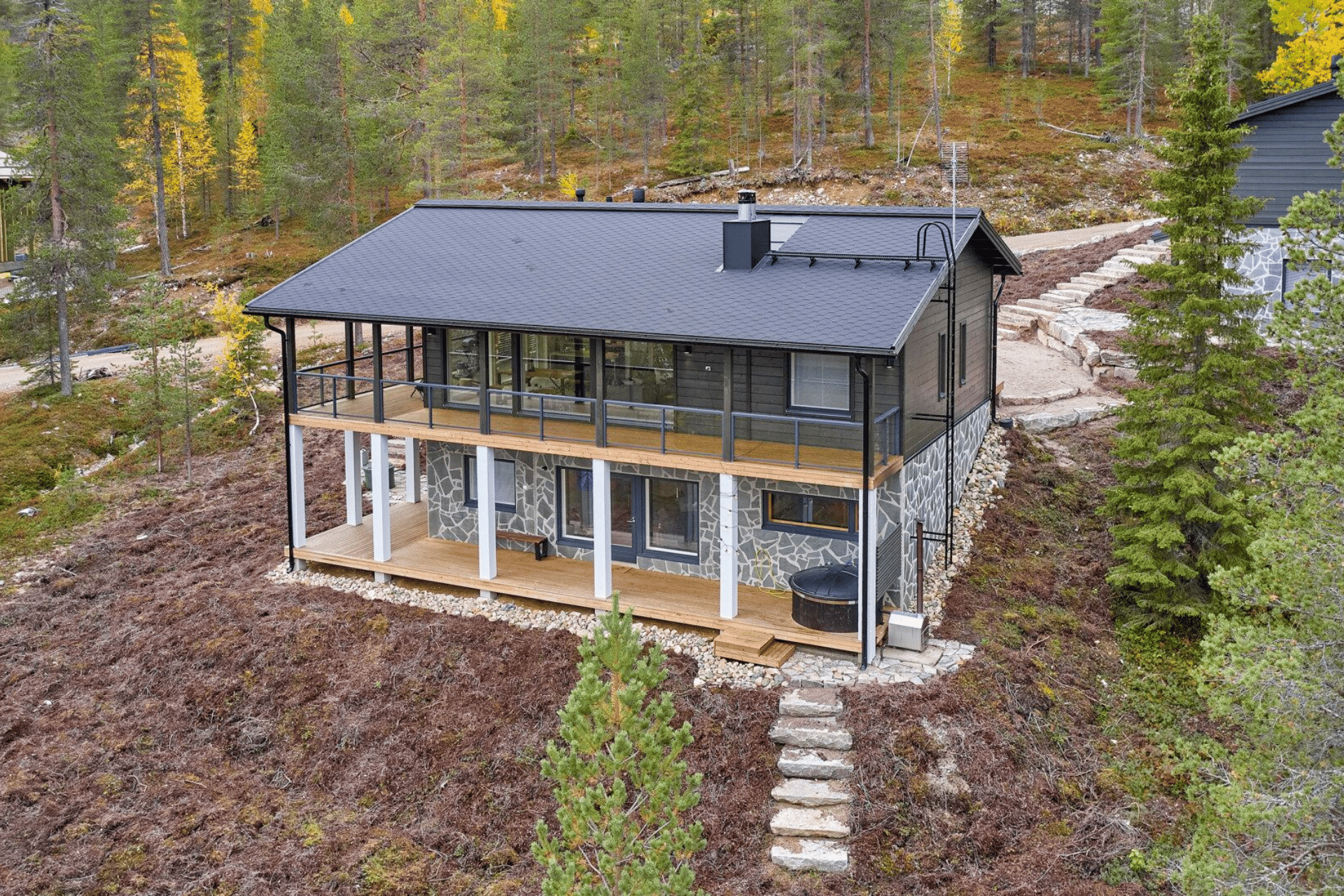
The best result is achieved when the plot, the positioning of the house, the floor plan, the views, the terrain and the intended use are planned together. A good planning partner is able to assess important details at an early stage, such as:
whether the desired house is suitable for the plot
how the building should be positioned
how the views and compass directions can be utilised
what type of foundation is likely to be required
how the garden, parking and snow clearance will work
how the house will serve your own needs or be suitable for letting
Polar House designs and builds log houses for demanding northern conditions. When you are still considering a plot, it is worth involving a house builder before making a final purchase decision. This ensures that the plot is suitable for the house you want and does not force you into costly compromises later on.
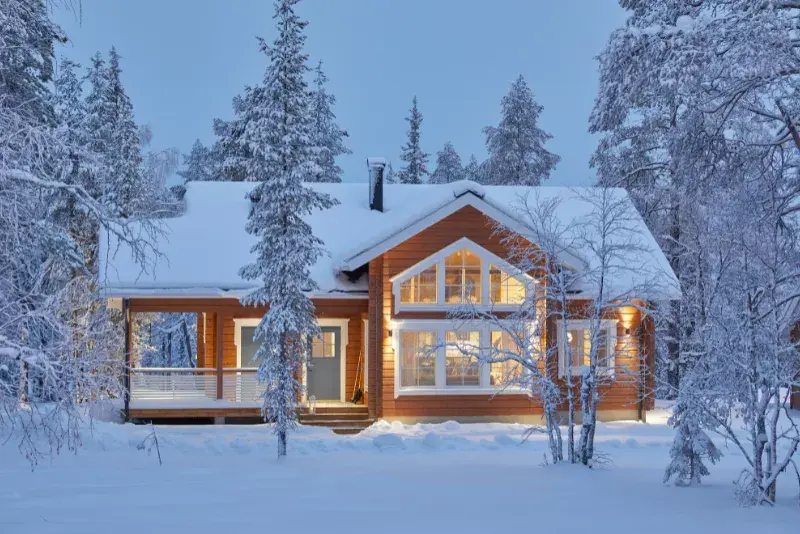
Wooden construction has a long tradition in Finland, and many people are familiar with the steps involved in building a traditional solid-log or...
Everything non-Finnish residents need to know – costs, permits, land, and common mistakesWritten for international buyers planning to build a home in...
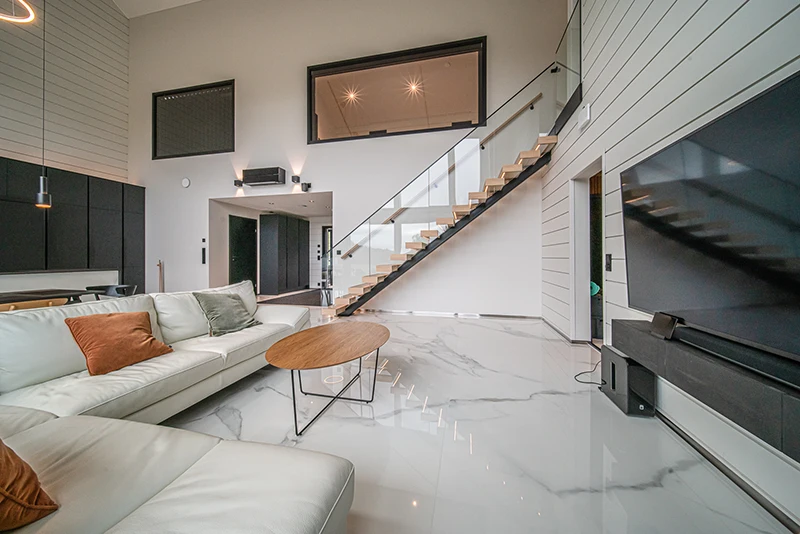
The best and highest-quality log house is a whole that is greater than the sum of its parts. PolarHouse is known as a supplier of high-quality...