
Why is a thermal log wall structure better than a traditional log structure?
Builders often worry about two things: • How much will it cost to heat the house 20 years from now?• How can construction mistakes be avoided if...

From our villa and cottage collection, you will find modern and traditional favorites. We also design models individually.
Explore our individual house models. The PolarHouse house package offers the freedom to customize plans and materials according to your wishes.
4 min read
Everything non-Finnish residents need to know – costs, permits, land, and common mistakes
Written for international buyers planning to build a home in Lapland, Finland
Buying and building a house in Lapland differs significantly from purchasing property in most other parts of Europe. Climate, regulations, distances, seasons, and rental dynamics all play a role. This guide is written to give international buyers a realistic, practical understanding of what it actually means to build a house in Finnish Lapland – without marketing fluff or unnecessary complexity.
Lapland offers something increasingly rare in Europe: space, safety, and long-term stability. For many international buyers, the decision is motivated by a mix of lifestyle preferences and investment log.
From a lifestyle perspective, Lapland provides clean air, silence, unspoiled nature, and a strong sense of privacy. From an investment standpoint, the region benefits from strong winter tourism, limited high-quality housing supply, and growing international demand.
Unlike many holiday destinations that rely on short peak seasons, Lapland’s winter season is long, predictable, and well-established. This forms a solid foundation for long-term value rather than speculative growth.
Yes, foreigners can build and own a house in Finland.
EU and EEA citizens can generally purchase land and property without restrictions.
Buyers from outside the EU may need approval from Finnish authorities to acquire land, but this is a formal process rather than a barrier. Approvals are usually granted when documentation is in order.
More important than nationality is understanding the Finnish building process, zoning regulations, and technical requirements. Finland´s system is clear and transparent, but assumes familiarity with local standards – something many foreign buyers underestimate.
Choosing the right plot is the single most important decision you will make. The house itself can be designed and adjusted, but location determines long-term usability, rental demand, and resale value. If you want your investment to remain profitable in the future, location plays on decisive role.
Plots near ski resorts, tourist hubs, or established villages perform best in rental markets. Remote wilderness locations can be ideal for personal use, but require more careful evaluation from an investment perspective.
Views, privacy, and proximity to nature add value, but they must be balanced with practical considerations such as winter maintenance, snow removal, and infrastructure.
Accessibility matters more than many buyers expect. Distance to an airport, road access during winter, and proximity to services all affect both personal use and rental attractiveness. A plot that feels remote in summer may be impractical in winter if access is difficult.
Zoning regulations also vary significantly. Some plots allow year-round residential use, while others are limited to holiday homes. This affects financing, permits, and rental possibilities.
Lapland has become one of Europe’s most sought-after destinations. International travellers are drawn by its unique nature, winter activities, and the authentic Arctic experience.
Unlike many second-home markets, Lapland offers a rare combination of flexible personal use and strong rental income. Owners can enjoy their property whenever they choose and still generate attractive returns during peak season.
Well-located properties in Lapland can typically be rented for around 30 weeks per year, and in some cases even more. The high season runs mainly from December to May, driven by winter tourism, ski resorts, Northern Lights travel, and the Christmas period. This long and predictable season creates stable demand year after year.
What makes Lapland particularly interesting is that it´s most profitable period coincides with it´s harshest climate. Only well-built, energy-efficient houses designed for Arctic conditions can compete, naturally limiting supply.
With the right location, thoughtful design, and efficient energy solutions, many owners achieve net annual returns of around 10–15 percent, even while reserving weeks for personal use. In stronger rental locations and optimized setups, returns can be higher, but the key point is that demand is real, established, and long-term.
In short, a house in Lapland does not have to be either a lifestyle choice or an investment – it can be both at the same time.
Building in Finland involves permits, inspections, and compliance with local building codes. These regulations exist to ensure safety, energy efficiency, and durability – especially important in Arctic conditions.
Permits typically cover land use, building design, energy performance, and structural safety. While the system is logical, it can feel complex for international buyers unfamiliar with Finnish terminology and processes.
This is where working with an experienced local partner becomes critical. PolarHouse has been working on market for 26 years growing a strong network of local professionals in building. Together with our partners we guide buyers through permits, documentation, and local requirements so that nothing is missed and timelines remain predictable.
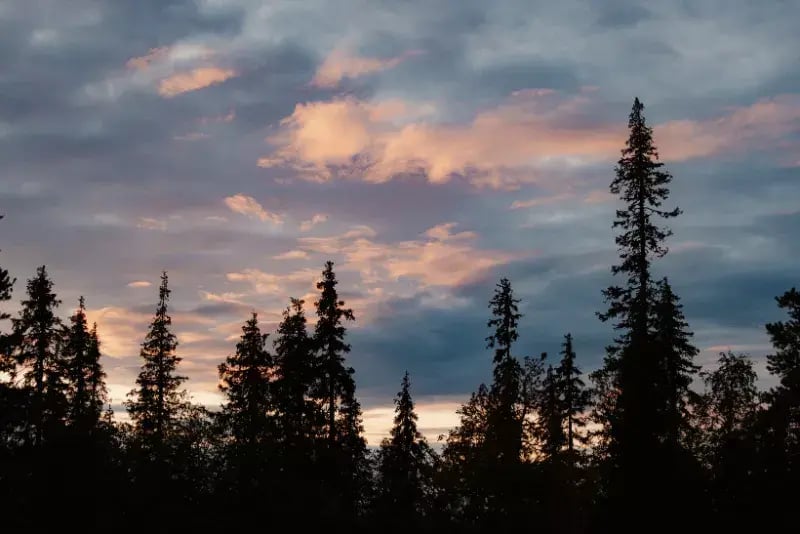
Once you own a plot and you have chosen a house model that fits the zoning order, the building process in Lapland follows a structured sequence.
The process typically includes final design adjustments, permit applications, production of house elements, on-site construction, and final inspections. Prefabricated and element-based construction is recommended, as it improves quality control and reduces on-site risks.
As Lapland is a sparsely populated area, it is important that local professionals are responsible for construction projects. With the help of the PolarHouse network, we can find all the professionals needed for construction projects, and we are known for our exceptionally high customer satisfaction. Read what our customers have said about us!
From the first planning discussions to move-in, a realistic timeline is around 12 months.
This includes plot selection, design finalization, permits, manufacturing, construction, and commissioning. Seasonal factors matter: starting at the right time of year helps avoid unnecessary delays.
Clear planning at the beginning is the best way to keep the project on schedule and on budget.
Many issues arise not from bad intentions, but from incorrect assumptions.
Some buyers choose plots based purely on scenery without understanding zoning or access. Others underestimate heating and energy requirements, leading to higher long-term costs. There are also cases where house designs suited for Central Europe are adapted poorly to Arctic conditions.
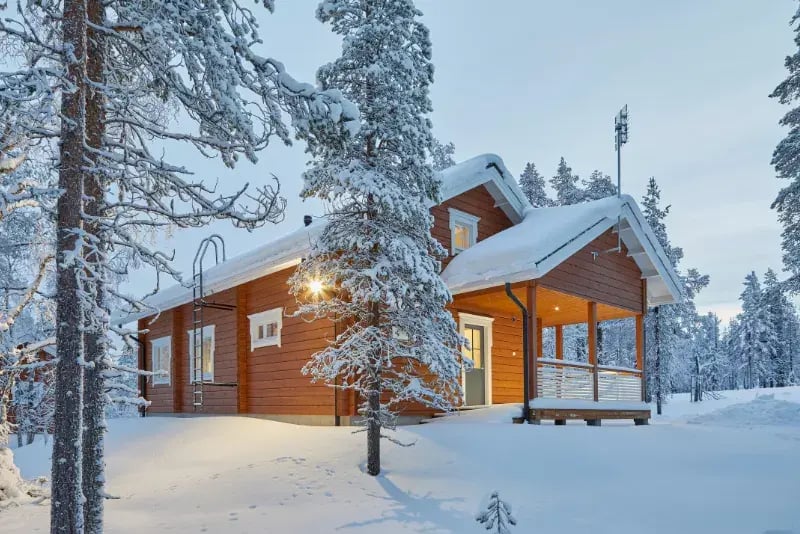
PolarHouse houses are designed for Arctic conditions, avoiding the problems mentioned above. Our houses are designed to be particularly energy efficient.
Living in Lapland year-round is calm, structured, and surprisingly comfortable when the house is designed correctly.
Winters are long but not chaotic. Infrastructure works reliably, internet connections are strong, and daily life functions normally. Summer brings long daylight hours, outdoor activities, and a completely different rhythm of life.
For many owners, the ability to combine personal use with rental periods makes Lapland especially attractive.
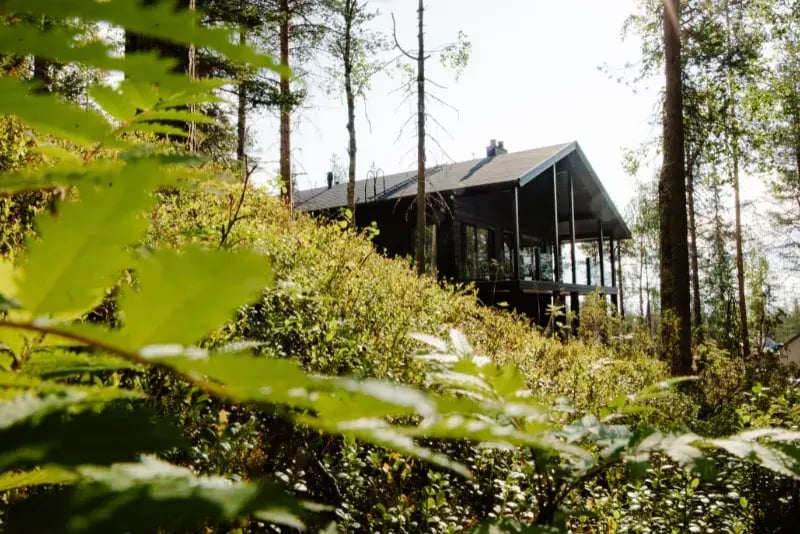
Building safely in Lapland is less about taking risks and more about eliminating unknowns.
A local partner understands soil conditions, climate requirements, municipal processes, and realistic cost structures. This reduces uncertainty and allows international buyers to make informed decisions instead of assumptions.
PolarHouse ensures that design, permits, construction, and quality standards align from start to finish.
If you are considering building a house in Lapland, the most difficult step is often the first one: knowing where to start.
By contacting us, you remove much of that uncertainty. We can discuss location options, usage goals, budget ranges, and timelines before any commitments are made.
Once the planning starts with the right foundation, the rest of the process becomes straightforward.
If you would like to continue, you can contact PolarHouse and request our house catalogue. From there, your Lapland home becomes a concrete plan rather than just an idea.
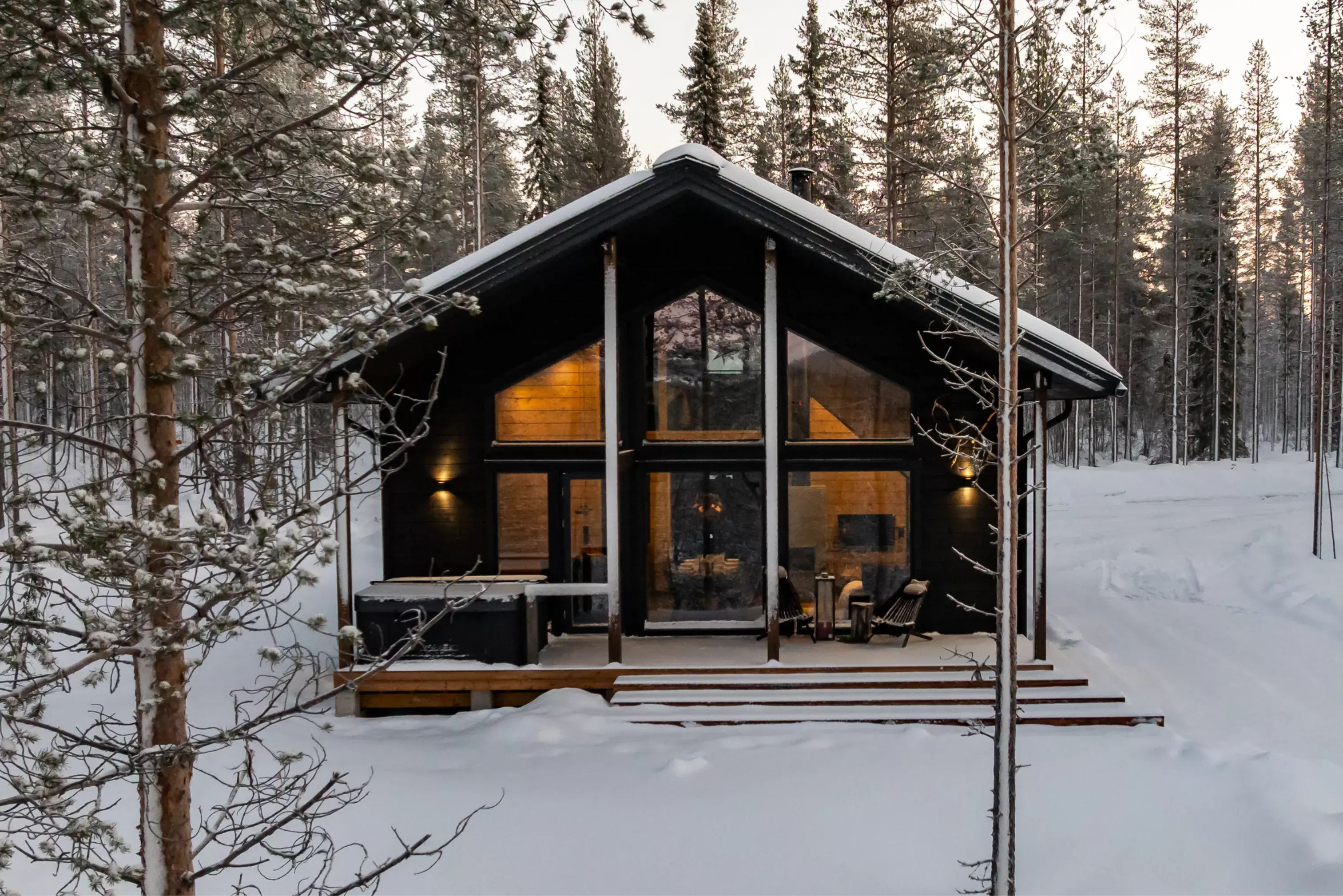
Builders often worry about two things: • How much will it cost to heat the house 20 years from now?• How can construction mistakes be avoided if...
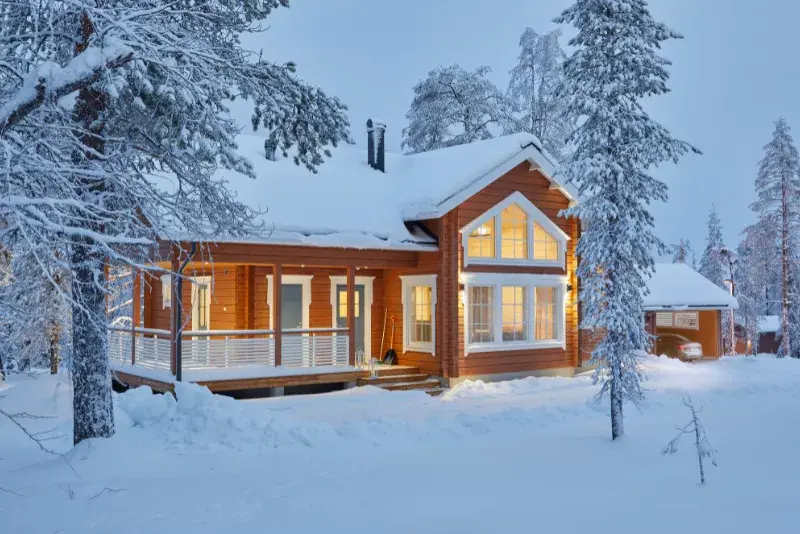
If you are planning to build a house, you have almost certainly encountered the term U‑value. Simply put, the U‑value tells you how well a structure...
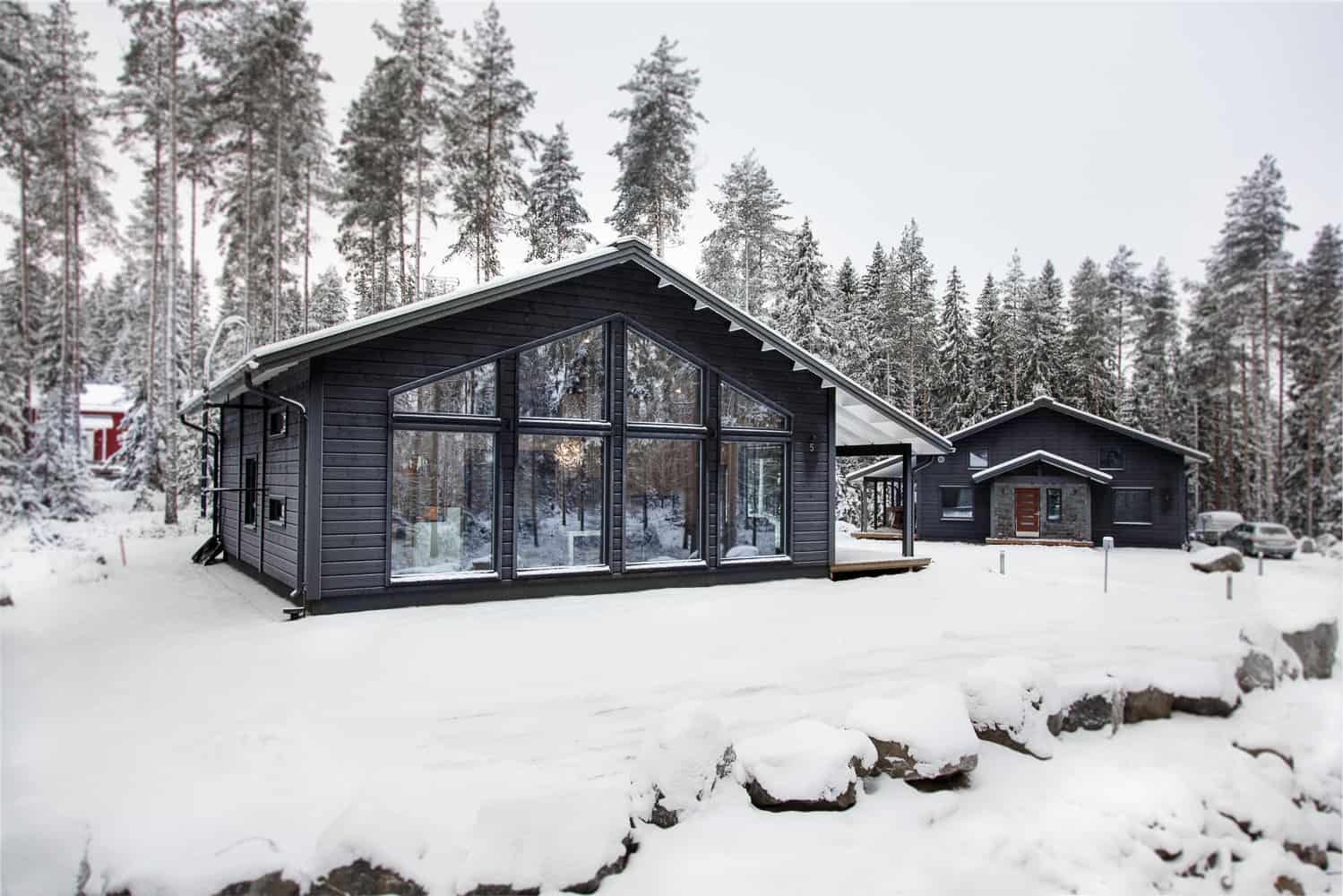
Finland is the most-forested country in Europe, and the Finns are experts at building their houses from wood. As timber construction techniques have...