

11 min read
Introduction
Buying a plot in Finnish Lapland is often the most important decision in the entire project. The location you choose will affect not only the value of your future log home, but also your lifestyle, rental potential, maintenance costs and long-term investment returns.
At Polar House, we have extensive experience helping international clients plan and build log homes in Finnish Lapland. Our expertise goes beyond architecture and construction — we also help buyers navigate the legal, financial and practical aspects of building in Finland.
Why Choosing the Right Plot Matters
A beautiful view can make a plot feel perfect within minutes. But the best plot is not necessarily the cheapest one, the largest one or even the one with the most impressive scenery. It is the plot that supports the way you plan to use the property over the next 10, 20 or 30 years.
The plot determines many of the most important practical and financial aspects of the project. It affects what you are allowed to build, how the house can be positioned, what type of foundations may be needed, how easily the site can be reached in winter and whether connecting electricity, water, sewage and data services will be straightforward or expensive.
For an investment property, the plot also influences demand. A cabin close to ski lifts, restaurants, trails and transport connections may be easier to rent during the busiest weeks. A more secluded lakeside or forest plot may offer greater privacy and a stronger personal experience, but it may appeal to a different group of guests and require a car.
This is why the plot and the house should never be planned as two separate purchases. Before committing to land, confirm that the intended log home fits the building rights, terrain, access arrangements and local planning rules. Early cooperation between the buyer, local authorities, designers and the house supplier can prevent expensive compromises later.
Start With the Purpose: Private Retreat, Rental Investment or Both?
Before comparing destinations or individual plots, define what the property is meant to do for you.
A home mainly for private use
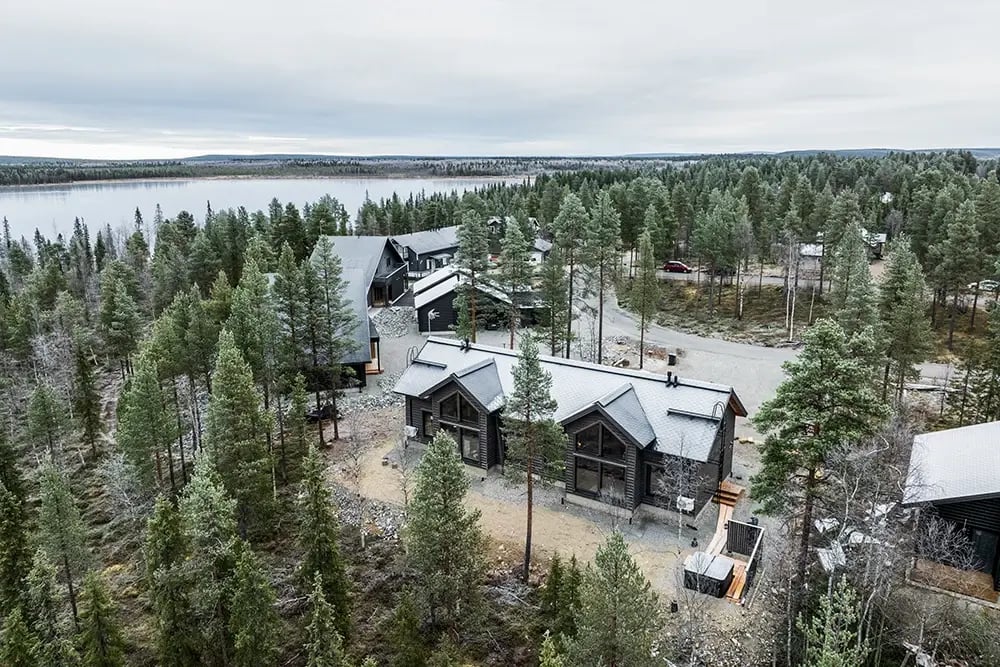
If the property is primarily for your family, the emotional and practical qualities of the location may be more important than maximum rental income. You may value peace, open views, access to a lake, nearby hiking routes or enough distance from the busiest tourist centre.
Think beyond the first years of ownership. Will children and older family members be able to reach the property easily? Is the road maintained during winter? Are groceries and health services reasonably close? Could the property eventually work as a longer-term home rather than only a holiday cabin?
A property mainly for short-term rental
For a rental-focused investment, convenience usually matters more. Guests often compare properties based on distance to ski lifts, restaurants, equipment rental, activity providers and airports. Easy arrival and a clear, reliable route to the house can be a major competitive advantage, particularly for international visitors who may not be familiar with driving in Arctic conditions.
However, proximity should be evaluated carefully. A plot beside a major road, nightlife venue or busy parking area can create noise and reduce the sense of privacy that guests expect from a Lapland log home. The most attractive rental location is often close enough to services to be convenient, but sufficiently protected to feel peaceful.
A hybrid property for personal use and rental
Many buyers want both: a high-quality private holiday home and rental income when they are not using it. In this case, the location, floor plan and operating model must work together.
Consider which weeks you want to reserve for yourself, what level of annual occupancy is realistic, who will handle cleaning and guest communication, and how quickly maintenance can be arranged. A property may have strong theoretical rental demand, but the actual return depends on pricing, seasonality, management fees, utilities, financing, repairs and the owner's own use.
Do not base the purchase on a single optimistic occupancy figure. Ask local rental operators for realistic estimates for the exact micro-location, property size and quality level you are considering.
Popular Areas for a Log Home in Northern Finland
Levi: Established Services and Strong International Recognition
Levi is one of Finland's best-known year-round resort destinations. Its appeal comes from the combination of a developed village, extensive services, a large accommodation market and easy access through Kittilä Airport, approximately 15 kilometres away.
For an investor, Levi offers an established tourism ecosystem. Restaurants, ski services, activity companies, transport and property-management providers are readily available. This can make ownership and rental operations easier than in a remote destination.
The trade-off is that prime plots can be expensive and competition between accommodation properties is strong. Buyers should look beyond the destination name and study the exact location: walking distance to lifts and services, ski-bus access, terrain, planned neighbouring construction and the character of the surrounding area.
Levi may suit buyers who prioritise established services, accessibility and a mature rental market. It can also work well for families who want a destination where activities and everyday services are available without extensive driving.
Rovaniemi: A Real City With Year-Round Tourism
Rovaniemi is different from a traditional ski resort. It combines Arctic tourism with the infrastructure of Lapland's regional capital. The city has an airport, railway station, shops, restaurants, education, healthcare and a broad range of year-round services.
For property owners, this creates several potential advantages. Demand is not linked only to downhill skiing. Rovaniemi attracts visitors through Santa Claus tourism, the Arctic Circle, Northern Lights experiences, business travel, events and summer activities. It may therefore suit a buyer who wants both tourism potential and access to normal city services.
The Rovaniemi market is highly location-specific. A plot near the city centre serves a different customer than a forest location outside the urban area or a site near major tourism attractions. Access time to the airport, city centre and activity areas should be considered together with privacy, landscape and future development plans.
Polar House has delivered many projects in the Rovaniemi area, making it a particularly relevant destination for buyers seeking an experienced partner for local conditions.
Ylläs: Fell Nature, National Park and Two Distinct Villages
Ylläs is known for its seven fells, extensive trail networks and direct connection to Pallas–Yllästunturi National Park. The destination is built around two main villages, Äkäslompolo and Ylläsjärvi, each with a different atmosphere and access pattern.
Ylläs can be attractive to buyers who value nature, cross-country skiing, hiking and mountain biking as much as downhill skiing. Its strong outdoor identity supports year-round use, although winter remains the main commercial season for many accommodation properties.
When comparing plots, understand which side of the fell you are buying on, how services and ski areas are reached, and whether the location is served by seasonal public transport. A peaceful plot near trails can be highly appealing, but rental guests may still expect easy access to groceries, restaurants and equipment rental.
Ylläs may suit buyers who want a quieter, nature-led alternative to a dense resort centre while retaining access to a recognised tourism destination.
Ruka: Long Winter Season and a Compact Resort Structure
Ruka is located in Kuusamo, south of the administrative Lapland region, but it belongs naturally in the same comparison because buyers often consider it alongside Lapland destinations.
Ruka has a long-established ski resort, compact pedestrian areas and a strong domestic customer base. The destination has invested in a year-round operating model, including summer hiking and mountain biking, while winter remains its most important season.
Accessibility through Kuusamo Airport is a key factor. The resort also has areas designed around walkability and ski-in or ski-out accommodation. For rental investors, this can create clear differences between plots that appear close on a map but have very different practical access to lifts and services.
Ruka may be particularly suitable for buyers who value a long snow season, a mature resort structure and demand from both Finnish and international visitors.
Saariselkä: Compact Arctic Destination Near Wilderness
Saariselkä combines a compact resort centre with easy access to open fell landscapes and Urho Kekkonen National Park. It has a distinctive Arctic identity and is well known among international visitors.
The destination may suit buyers looking for a premium wilderness experience in a relatively compact service area. As elsewhere, the exact plot matters more than the destination label. Walking distance, elevation, views, winter access and nearby development can all affect personal enjoyment and rental appeal.
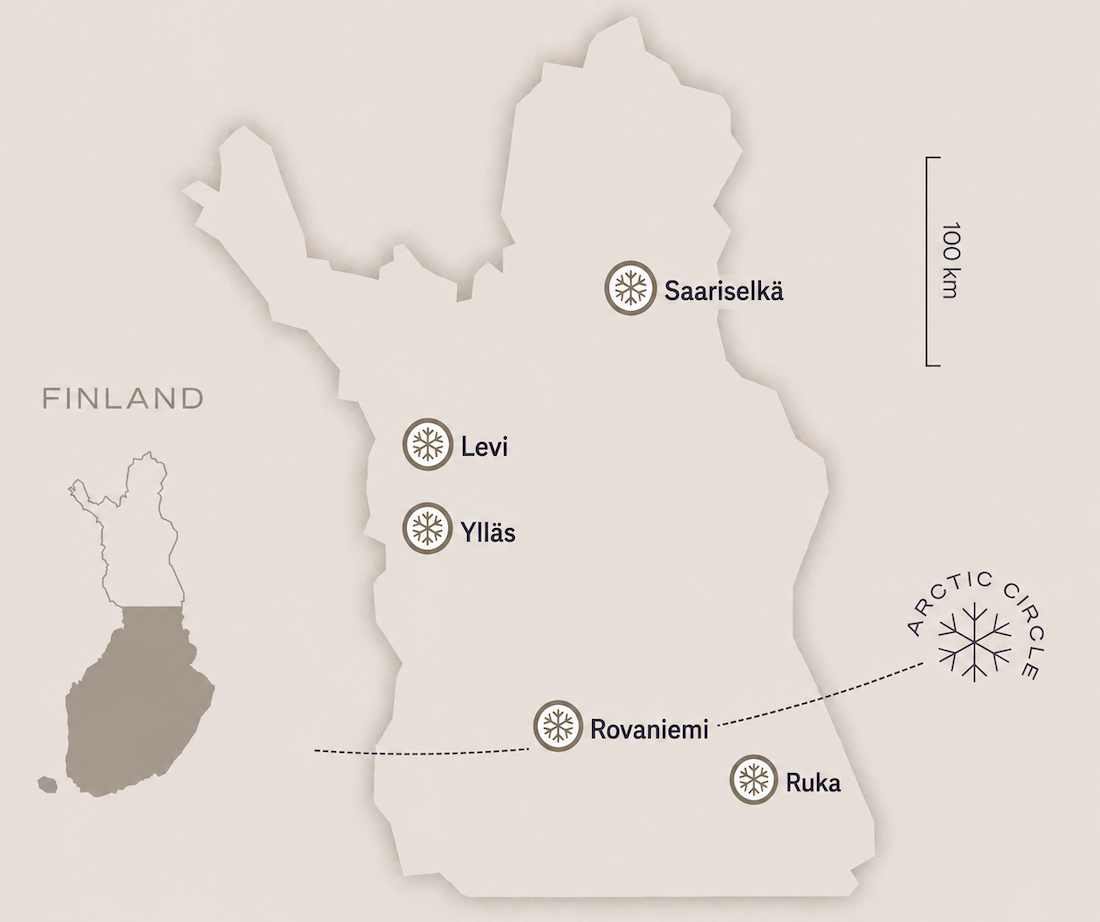
Because Saariselkä is farther north than Levi, Rovaniemi, Ylläs and Ruka, buyers should also evaluate travel connections, maintenance arrangements and the practicalities of managing the property from abroad.
How to Compare the Destinations
There is no universally safest or best location. Levi may offer the strongest concentration of resort services. Rovaniemi combines tourism with city infrastructure. Ylläs emphasises nature and trails. Ruka has a compact, established resort model and a long winter season. Saariselkä offers a distinctive far-north experience.
A useful comparison should include at least the following questions:
- How will you and your guests arrive?
- Is a car necessary throughout the stay?
- What creates demand outside Christmas and the main ski weeks?
- Are property management, cleaning and maintenance services available nearby?
- What construction or tourism development is planned around the plot?
- Does the location support your preferred balance between privacy and convenience?
Ten Things to Check Before Buying a Plot in Finland
1. Zoning, building rights and permitted use
Ask the municipality's building control department what can legally be built on the plot. Confirm the maximum floor area, number of buildings, permitted storeys, required distances, roof or façade requirements and whether the property can be used for the intended purpose.
Do not assume that a large plot automatically provides extensive building rights. The zoning plan, shoreline rules and local building regulations determine what is possible.
2. Ownership, mortgages and registered rights
Before the transaction, obtain up-to-date official documents, including the certificate of title, certificate of mortgages and encumbrances and cadastral register extract. These show ownership information, mortgages, rights of use and essential property data.
Pay particular attention to road rights, access rights, leases and other registered interests that may affect construction or use.
3. Road access and winter maintenance
A road visible on a map does not automatically mean that you have a legal right to use it or that it is maintained throughout winter. Confirm the registered road right, the party responsible for maintenance, annual costs and whether heavy construction vehicles can reach the site.
4. Electricity, water, sewage and internet
Find out where the nearest connection points are and request cost estimates. A low-priced remote plot can become expensive if electricity must be extended over a long distance or if water and wastewater systems require special solutions.
For rental use, reliable mobile coverage and high-speed internet are increasingly important. Test actual coverage rather than relying only on a general coverage map.
5. Ground conditions and foundations
The visual appearance of the terrain does not reveal everything beneath the surface. Soil conditions, bedrock, peat, groundwater and slope can have a major effect on foundation design and costs.
A geotechnical survey should normally be completed before final foundation planning. On a sloping site, the house design should follow the terrain rather than forcing a standard solution onto the plot.
6. Drainage, snow and meltwater
Lapland plots must work in every season. Consider where snow will be stored, how meltwater moves in spring and whether water can flow away from buildings, access roads and parking areas.
Also assess snow clearing space and the risk of snow falling from roofs onto entrances, terraces or neighbouring areas.
7. Sunlight, wind and views
Visit the plot at different times if possible. A south- or west-facing aspect can provide valuable daylight, but exposure to wind may increase discomfort and affect terrace use. Trees and future neighbouring buildings can change views and privacy.
In Arctic conditions, building orientation also affects natural light, energy use and the experience of indoor spaces.
8. Distance to services and activities
Measure real travel times in winter rather than relying only on straight-line distance. For rental properties, test the journey to the airport, ski lifts, trails, restaurants and grocery stores.
A location advertised as being near a resort may still require a long drive because of road layout, terrain or limited crossing points.
9. Future development around the plot
Check current zoning and pending planning projects. An open view today may become a construction area later. On the other hand, new lifts, roads or services may improve accessibility and value.
The goal is not to avoid all development, but to understand what may change and whether that change supports your intended use.
10. Total project cost, not only the land price
Compare plots based on the total cost of creating a functioning property. Include transfer tax, registration, surveys, design, permits, site preparation, foundations, utility connections, road works, landscaping, snow management and financing.
A more expensive serviced plot may ultimately be more economical and predictable than a cheaper site requiring extensive infrastructure.
Buying Land in Finland as a Foreign Buyer
Foreign buyers can purchase property in Finland, but the process and required permits depend on the buyer’s nationality and the exact transaction.
Buyers from outside the European Union and European Economic Area generally need a permit from the Finnish Ministry of Defence before acquiring real estate. The permit requirement should be checked early, before making the transaction unconditional. Buyers should also make sure they understand Finnish property law, taxation, financing and the difference between purchasing a property, an unseparated parcel and a leasehold interest.
After the transaction, transfer tax must be declared and paid before ownership is registered. The new owner must apply for registration of title with the National Land Survey of Finland, unless the transaction has been completed through an electronic service or another authorised party handles the registration.
Because official registers and many municipal services operate primarily in Finnish or Swedish, an international buyer may benefit from using an experienced local real estate agent, legal adviser or project partner. Independent professional advice is particularly valuable when the purchase is connected to commercial short-term rental activity, company ownership or financing from abroad.
Common Mistakes When Choosing Land in Lapland
Choosing the view before checking the building rights
A plot can look ideal but still be unsuitable for the intended house. Building rights, shoreline restrictions, protection requirements and architectural rules should be confirmed before making a binding offer.
Underestimating site preparation and utility costs
The purchase price of the land is only one part of the investment. Blasting rock, replacing unsuitable soil, building a long access road or extending utilities can change the project budget significantly.
Assuming that proximity on a map means easy access
Two properties can be equally close to a ski lift in kilometres, yet one may have safe walking access while the other requires a car. Test the real route in winter conditions.
Planning only for the peak winter season
Christmas and ski holidays are important, but a resilient property should also have a reason to be used in autumn, spring and summer. Nature, trails, events, city services and convenient transport can help extend the season.
Believing an advertised rental estimate without checking the assumptions
Occupancy is not the same as profit. Ask what nightly price, management fee, cleaning cost, owner use and maintenance budget have been assumed. Compare conservative, realistic and optimistic scenarios.
Buying the land before involving the house supplier
Early discussion with the house supplier can reveal whether the preferred house model fits the plot and whether adaptations are likely to improve the result. This is particularly important on sloping sites, narrow plots and areas with detailed architectural requirements.
Forgetting long-term maintenance
A remote property may be beautiful but difficult to manage from another country. Snow clearing, inspections, heating, repairs, cleaning and key management must be available even when the owner is not present.
Frequently Asked Questions
Can foreigners buy land in Finland?
Yes. Foreign individuals and companies can buy property in Finland. However, buyers from outside the EU and EEA generally require a permit from the Ministry of Defence. The requirements should be verified for the buyer’s specific situation before completing the transaction.
Should I buy the plot before choosing the house?
It is better to develop the two decisions together. You can shortlist plots first, but the house supplier or designer should review the plot, building rights and terrain before the purchase becomes final.
Which Lapland destination is best for rental investment?
There is no single answer. Levi has an established resort ecosystem and extensive services. Rovaniemi has a broader year-round city and tourism economy. Ylläs is strongly connected to nature and outdoor activities. Ruka has a mature resort structure and long winter season. Saariselkä offers a distinctive far-north wilderness experience. The micro-location, property concept and operating model matter more than the destination name alone.
How close should a rental property be to ski lifts?
Walking or convenient public transport access can strengthen demand, but the ideal distance depends on the target guest. Families may prioritise easy access and services, while premium guests may accept a short drive in exchange for privacy, views and a larger plot.
Can a log house be built on a sloping plot?
Yes. A sloping site can create exceptional views and architecture, but it requires plot-specific design, accurate surveys and appropriate foundation planning. Construction and access costs may be higher than on level ground.
What official documents should I check before buying?
At minimum, obtain an up-to-date certificate of title, certificate of mortgages and encumbrances and cadastral register extract. Confirm zoning, building rights and permits with the municipality. Depending on the site, additional surveys and agreements may also be necessary.
How do I estimate rental potential?
Request evidence from local rental operators and compare similar properties in the same micro-location. Model revenue by season and deduct all operating expenses, management fees, cleaning, utilities, financing, maintenance and periods reserved for personal use.
When should Polar House become involved?
Ideally before the plot purchase is final. Early involvement allows the house concept to be assessed against the building rights, terrain, access and intended use. This can reduce risk and help align the plot, architecture, budget and construction process.
Plan the Plot and the Log Home as One Project
The right plot is the foundation of a successful Lapland property. It should fit your long-term goals, make construction technically and financially realistic, and create the experience you want for yourself or your guests.
The most important decision is not simply whether to choose Levi, Rovaniemi, Ylläs, Ruka or Saariselkä. It is whether the exact plot supports the intended house, operating model and lifestyle.
Polar House designs and delivers energy-efficient log homes for demanding northern conditions. By involving an experienced house partner early, buyers can evaluate how the building rights, terrain, orientation and access affect the design before costly commitments are made.
Are you considering a plot or planning a log home in Finnish Lapland? Contact Polar House to discuss the site and the project before making the next major decision.